

7 DAYS · 6 NIGHTSCAMPING
Lemosho ↗
$2,480 USD / person sharing
Enquire about 7-day Lemosho ↗ Plan your journey
KILIMANJARO GROUP CLIMBS
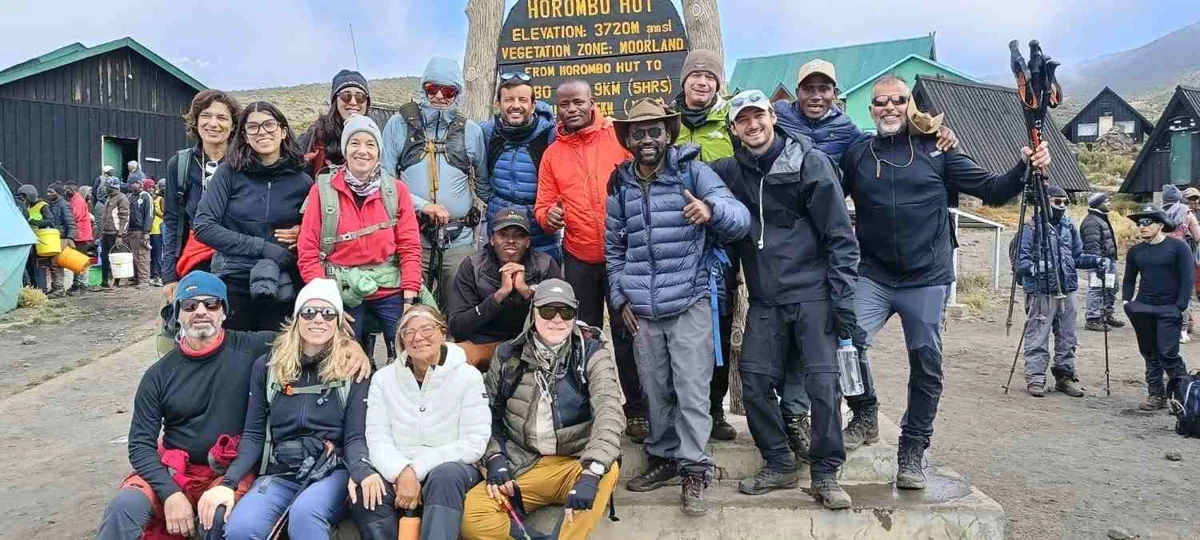
New companions on the trail. A farm to come home to. A tree that stays long after you leave Tanzania.
MORE THAN A SUMMIT
Meet your fellow climbers at the Moshi briefing, share the mountain with a local crew, then return to the welcome of Kibo View Farm Lodge. Scheduled departures bring independent travellers together; private climbs give your own group a dedicated journey.
AFTER THE SUMMIT, WE PLANT
Back at Kibo View Farm, the group gathers for one last shared experience: planting a tree in each climber’s name.
Watch the Legacy Tree film · 3 min 52 sec
Explore life at the farm ↓At Kibo View Farm, Nyange’s host welcomes the mountain crew and visiting climbers to a tree-planting ceremony. He connects the climb with conservation, community and the legacy left for future generations. A returning guest thanks the team, reflects on watching the farm develop over six years, and describes the value of sharing the experience and climbing Kilimanjaro. The film shows the group in the garden, the host and guest speaking, and an aerial view of the planting area.
THE FARM. THE PEOPLE. THE LEGACY.
Your group-climb package includes nights before and after the trek at Kibo View Farm Lodge, with farm-to-table breakfast, lunch and dinner.
Rest, share stories and enjoy a working farm. Ask about a coffee tour, cooking experience or a longer stay.
Your Legacy Tree experience includes a personalised marker, planting photograph and certificate, with occasional growth photos after you return home.
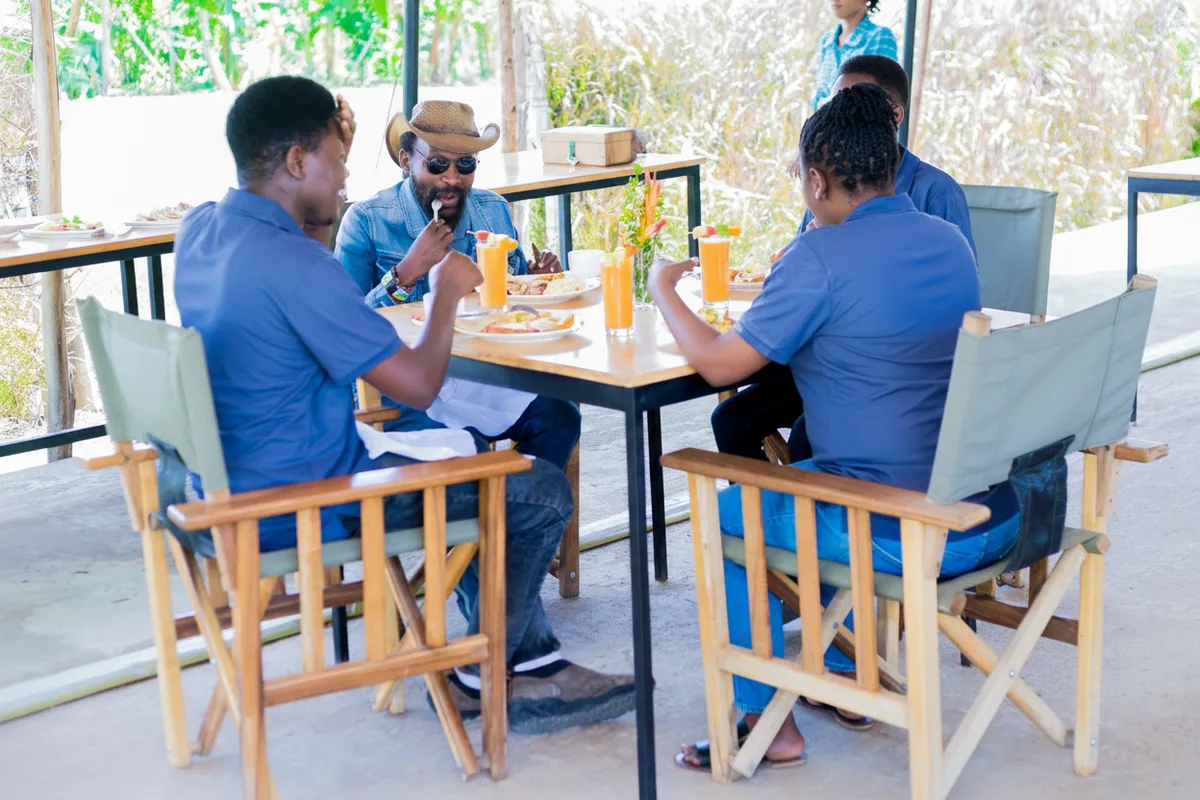
Farm-to-table meals and time to get to know your fellow travellers.
FIND YOUR GROUP CLIMB
USD per person sharing, based on two or more trekkers. These group rates include the farm stay and Legacy Tree experience. Solo travellers are welcome; ask for the single supplement.
$2,480 USD / person sharing
Enquire about 7-day Lemosho ↗$2,800 USD / person sharing
Enquire about 8-day Lemosho ↗$2,500 USD / person sharing
Enquire about 7-day Machame ↗$2,138 USD / person sharing
Enquire about 6-day Machame ↗$2,138 USD / person sharing
Enquire about 6-day Marangu ↗$2,500 USD / person sharing
Enquire about 7-day Rongai ↗The published programme describes Monday and Thursday starts and a 2027 season, with Rongai in May. Ask us for confirmed departures for your preferred month before arranging travel.
A 30% deposit secures a confirmed booking; the balance is due on arrival in Tanzania. Mountain days above exclude the pre- and post-climb farm stay. Your proposal confirms the full travel dates, room arrangements and any supplements.
Ask for group departure datesPrefer your own dates and companions?
Plan a private climbGOOD QUESTIONS, BEFORE YOU GO
A group departure runs on a fixed date with other climbers, so the per-person cost is lower than booking a private climb with your own dedicated crew. Every date is guaranteed once booked — the climb runs regardless of how many other trekkers join.
Yes. Every fixed date is a guaranteed departure. Solo travellers are welcome on any date and pay a single supplement, since the per-person rate is based on two or more trekkers sharing.
Lemosho and Machame offer strong acclimatisation profiles and scenery for most first-time climbers, Marangu is the only route with hut accommodation instead of camping, and Rongai approaches from the drier northern side, which is why it runs during the shoulder month of May.
No previous mountaineering experience is required on the standard routes. Reasonable fitness and preparation for several consecutive days of walking at altitude matter more than a trekking resume.
Climbers should be comfortable walking several hours a day over uneven terrain. Regular hiking, stairs and longer uphill walks with a loaded daypack are good preparation.
Guides run health checks twice daily from the mid-mountain camps onward. If a climber becomes seriously unwell, the team follows a clear descent protocol, with emergency oxygen and mountain rescue arrangements in place before the climb starts.
Rental is available for selected items such as sleeping bags, trekking poles and warm jackets, subject to confirming availability before arrival.
Nights before and after the climb at Kibo View Farm Lodge are included in every group departure, along with farm-to-table breakfast, lunch and dinner featuring produce grown on the property.
After the summit, climbers return to Kibo View Farm and plant one tree in their own name, marked with a personalised marker and planting photograph. The tree stays in Tanzania and climbers receive occasional growth photos afterward.
Prices are per person sharing, based on two or more trekkers, and include nights at Kibo View Farm Lodge and the Legacy Tree planting. A 30% deposit secures the spot, with the balance due on arrival in Tanzania.
June through October and late December through February are the most reliable windows. Fixed group dates pause in March and April, and switch to the Rongai route only in May.
AFTER THE SUMMIT
Continue with a three- or four-day safari, or slow down with four to seven nights in Zanzibar. We can combine the climb, wildlife and coast in one proposal.
Explore safari journeys ↗ · Discover Zanzibar ↗
Plan my whole journey